Wednesday, 31 January 2018

Super Blue Blood Moon

People from Moscow, via Sydney, to Washington DC will be given a rare celestial treat on Wednesday as three lunar phenomena coincide. Weather permitting, of course.
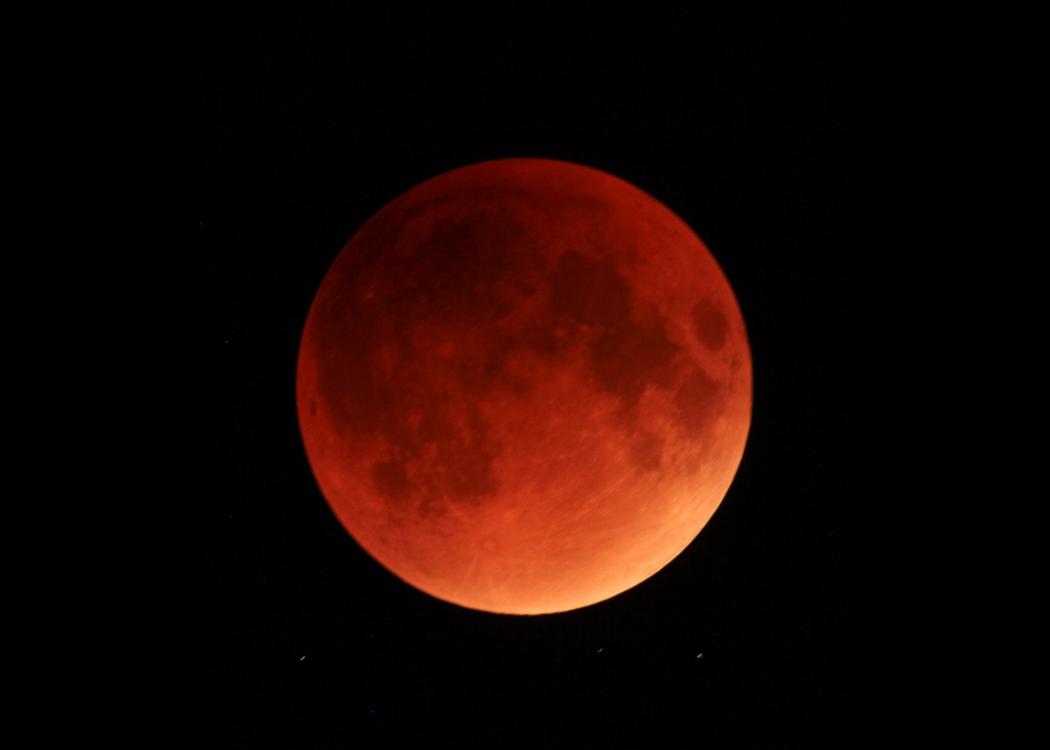
A blue moon (a second full moon in a calendar month), a super moon (when the moon is unusually close to Earth, making it bigger and brighter) and a blood moon (a moment during an eclipse when the moon appears red) will all coincide for the first time since 1866.
For those on the US east coast, the eclipse will start just before sunrise at 5.51am US ET, when the super blue moon will begin turning red. It will happen at 4.51am CT and those on the west coast can see it at 2.51am. For those further east – the Middle East, Asia, eastern Russia, Australia and New Zealand – the “super blue blood moon” can be seen during moonrise in the evening of 31 January, according to Nasa.

Image result for who on earth will be able to see the super blue blood moon

About The School

  What Is Good At School?


Image result for hockey practice

I believe that are school should keep supporting the hockey program because it is going really well and have seen many kids improve over the years.


Whats Missing At School?

I feel that the school should focus on maybe renovating some parts of the school to make it look more modern


Image result for renovation on a school

About The World

Australian Open 


Image result for australian open 2018 winner


When we left Rod Laver Arena after midnight, there was a huge, three-quarter moon hanging right over the skyscrapers of downtown Melbourne. One half expected to see Rodger Federer's face on it.
But he is not a three quarter sort of guy. What we had seen from the Swiss maestro throughout two weeks of fascinating tennis at the Australian Open was as close to 100% perfection as you are going to get from anyone playing through a grueling Grand Slam. And at 36? When will it end? He doesn’t know and, if he wasn’t always being asked the question, he probably wouldn’t bother about it too much—not when he can still float across the surface of his sport with such thrilling ease.
Until the final, he hadn’t lost a set. Unlike the Wimbledon final when he was suffering from blisters, a fit Marin Cilic was too good not to push him all the way this time, but Federer still knew where the finish line was and went for it with a dazzling dash to victory by 6-2, 6-7, 6-3, 3-6, 6-1. Having served really poorly in the fourth, it was amazing how quickly he was able to regain total dominance after a tight first game.

Winter Olympics
Image result for 2018 winter olympics


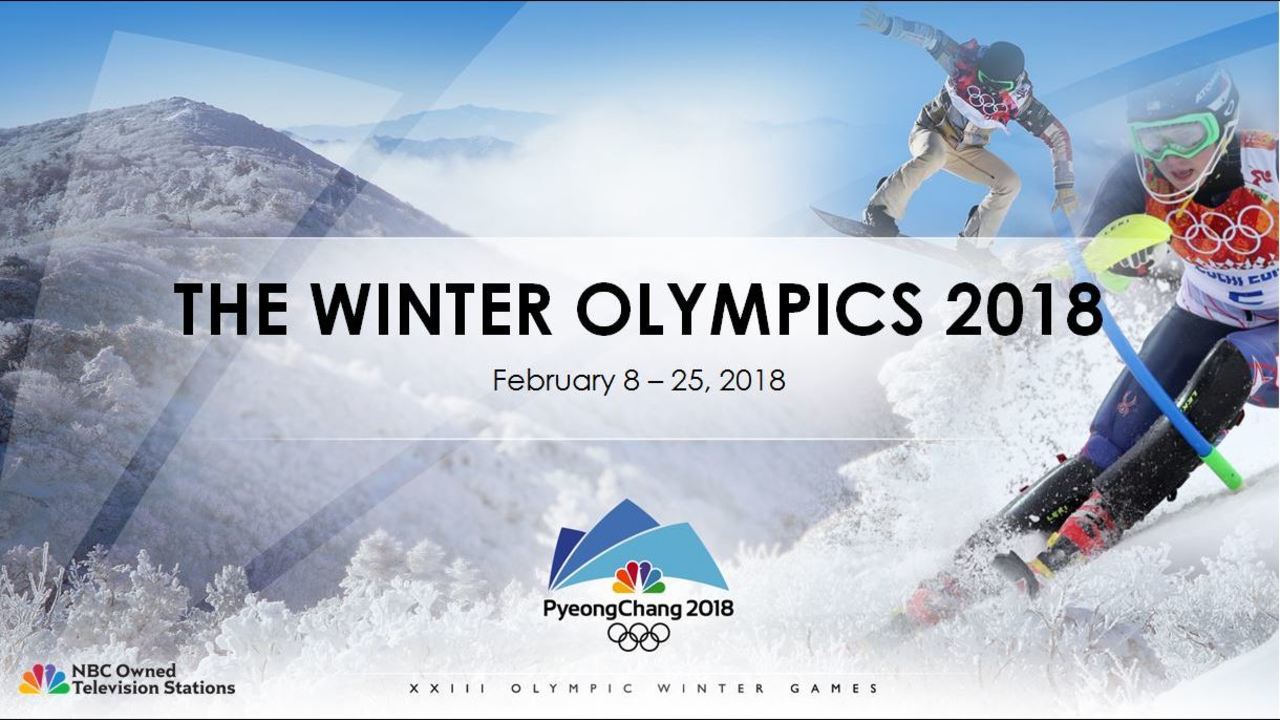
PyeongChang 2018's vision for the 2018 Games is to offer the Olympic Movement and the world of winter sports New Horizons - a legacy of new growth and new potential never seen before. Its Winter Games plan is one of the most compact in Olympic history, it offers a unique stage on which the world’s best athletes can achieve superior performances. With PyeongChang’s strategic position in Asia, and its access to a young and fast growing youth market, the 2018 Olympic Winter Games will no doubt expose new generations of potential athletes to the power of winter sport. Will be held in PyeongChang South Korea from February 8-25. 


Super Moon


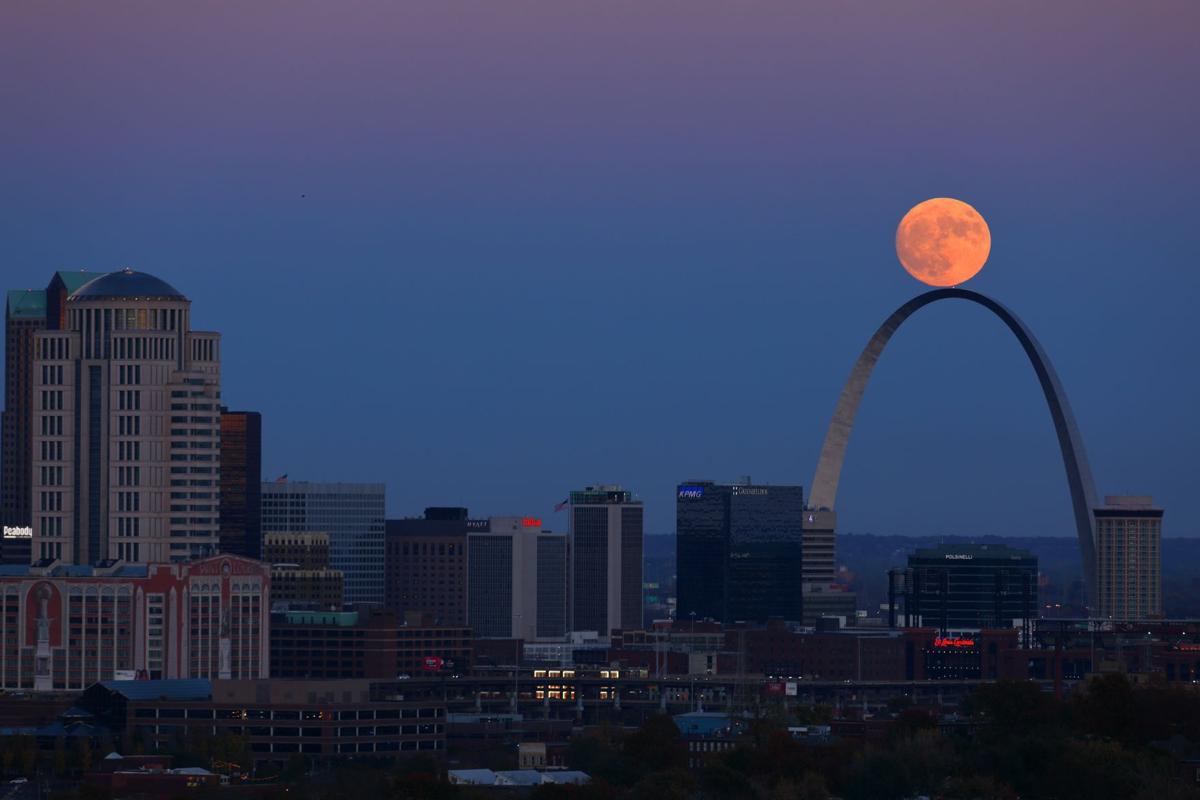
A supermoon is a full moon or a new moon that approximately coincides with the closest distance  that the moon reaches to earth in its elliptic orbit, resulting in a slightly larger-than-usual apparent size of the lunar disk as seen from Earth.[1] The technical name is the perigee syzvgy of the Earth–Moon–Sun system or more simply full (or new) Moon at perigee. The term supermoon is astrological in origin, and has no precise astronomical definition.

The real association of the Moon with both oceanic and crustal tides has led to claims that the supermoon phenomenon may be associated with increased risk of events like earthquakes and volcanic eruptions but no such link has been found.
Image result for super moon

The opposite phenomenon, an apogee syzvgy, has been called a micromoon, though this term is not as widespread as supermoon. Also, some do not consider new Moons near perigee as supermoons. Of the possible 12-13 full or new Moons each year, 3-4 usually may be classed as a supermoon as commonly defined.


Blood Moon

Blood Moon


The moon orbits around Earth, while Earth orbits around the sun. The moon takes about 27 days to orbit Earth and goes through regular phases in a 29.5-day cycle. The difference in these two cycles has to do with the relative positions of the sun, Earth and moon, which change during the moon's orbit. Lunar eclipses can only happen during a full moon, when the sun fully illuminates the surface. Usually a full moon has no eclipse because the moon orbits in a slightly different plane than the Earth and the sun do. However, at times the planes coincide. Earth passes in between the moon and the sun and cuts off the sunlight, causing an eclipse.If Earth partially blocks the sun, and the darkest part of its shadow falls across the moon's surface, it is called a partial eclipse. You will see a black shadow taking a bite out of the moon. Sometimes, the moon passes through the lighter part of Earth's shadow, causing a penumbral eclipse. Only seasoned skywatchers will be able to tell the difference, because the moon only darkens very slightly.

Image result for blood moon

Tuesday, 30 January 2018

Blue Moon

>
Image result for blue moon wikipedia
blue moon is an additional full moon that appears in a subdivision of a year: either the third of four full moons in a season, or a second full moon in a month of the common calendar.

The phrase has nothing to do with the actual color of the moon, although a literal "blue moon" (the moon appearing with a tinge of blue) may occur in certain atmospheric conditions: e.g., if volcanic eruptions or fires leave particles in the atmosphere of just the right size to preferentially scatter red light.[1]

 
Image result for blue moon wikipedia